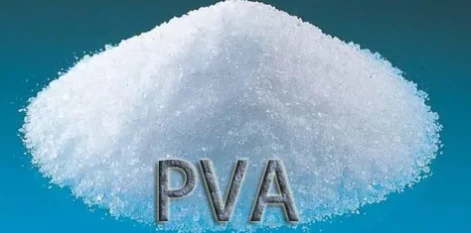
Polyvinyl alcohol (PVA) is a high-performance and versatile polymer with vital applications in numerous industries.
In the textile industry, PVA serves as an indispensable textile sizing agent. It improves the wear resistance and smoothness of yarns, reduces end breakage during weaving, and thereby greatly boosts textile production efficiency and product quality. Meanwhile, it acts as a key raw material for vinylon fiber. Featuring high tensile strength and good hygroscopicity, vinylon fiber is widely used in apparel, home textiles and other fields.
In the paper-making industry, PVA is applied as a coating agent. It forms a uniform film on the paper surface, effectively improving printability, water resistance and surface strength of paper. This makes paper smoother and brighter, enhancing printing quality and paper service life.
In the construction sector, PVA is commonly used to formulate architectural coatings. It enhances the adhesion, water resistance and scrub resistance of coatings, enabling better attachment to wall and other building surfaces while delivering favorable decorative effects and durability. Besides, it can be used as an adhesive for bonding wood, paper, leather and many other materials, featuring strong bonding strength and stability.
In the chemical industry, PVA is an important raw material for PVA film. PVA film boasts excellent barrier property, oil resistance and transparency. It is widely adopted in food packaging, electronic packaging and other areas to effectively protect products from external environmental impacts. It can also function as a polymerization suspending agent and emulsifier to stabilize the reaction system and facilitate reactions in chemical production.
In agriculture, PVA can be used as a soil conditioner. It improves soil structure, increases soil air permeability and water retention capacity, raises soil fertility and nutrient retention, and benefits plant growth and development.
In industrial production, PVA can be used as a quenching agent. It controls the cooling rate during metal quenching, increases the hardness and toughness of metals and optimizes metal properties.
In food and pharmaceutical industries, PVA finds certain applications thanks to its good biocompatibility and safety. For instance, it can be made into edible packaging materials for food packaging. In pharmaceuticals, it is used to manufacture medicines, sustained-release preparations, eye drops, etc.
Furthermore, with continuous advances in technology and deeper research into PVA properties, researchers keep developing and modifying PVA via various modification methods. New applications are constantly being explored, and PVA is expected to play an important role in more sectors in the future.