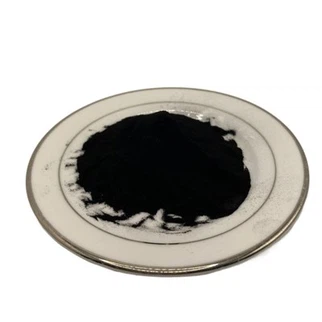
Ferrous sulfate, also known as black alum, should be sealed and stored to prevent moisture. If it becomes damp, it will gradually oxidize and become trivalent iron that is not easily absorbed by plants, and its effectiveness will be greatly reduced. Some friends often make a lot of alum solution at once for long-term and repeated use in order to save energy, which is very unscientific. Due to the long-term oxidation of black alum in water, it gradually oxidizes into trivalent iron that is not easily absorbed.
The application amount should not be too large and the frequency should not be too frequent. According to years of experience, adding ferrous sulfate to pot soil is recommended at a rate of 5 to 7 grams per pot, and irrigation or spraying at a rate of 0.2% to 0.5%. If the dosage is too large and the topdressing frequency is too frequent, it can cause plant poisoning, causing the roots to turn gray and black and decay, and also affecting the absorption of other nutrients due to its antagonistic effect.
Suitable water should be used for manufacturing. Ferrous sulfate can easily become an oxide deposit of trivalent iron in calcareous alkaline water, making it difficult for plants to use. The best choice is rain, snow water, or cold boiled water. If alkaline water is used as a last resort, 1 to 2 grams of potassium dihydrogen phosphate should be added to every 10 liters of water to make it a slightly acidic "improved water". Adding 3% vinegar to alkaline water also has a good effect.
Adding ferrous sulfate to alkaline soil requires the application of appropriate potassium fertilizer (but not plant ash), as potassium is beneficial for the movement of iron in plants and can improve the effectiveness of ferrous sulfate. The application of ferrous sulfate solution to hydroponic flowers and trees should avoid exposure to sunlight. Sunshine shining on nutrient solutions containing iron can cause iron to deposit in the solution, reducing its effectiveness. Therefore, it is advisable to cover the container with black cloth (or paper) or move it indoors in a dark place.
The mixed application of ferrous sulfate and decomposed organic fertilizer solution has a very good effect, as the organic matter differentiation product has a chelating effect on iron and can improve the solubility of iron. It is not advisable to apply ammonia nitrogen fertilizer and elements that have antagonistic effects with iron together. Ammonia nitrogen (such as ammonium sulfate, ammonium carbonate, ammonium phosphate, and urea) can damage organic matter and iron complexes in soil and oxidize divalent iron into trivalent iron that is not easily absorbed. Calcium, magnesium, manganese, copper, and other elements have antagonistic effects on iron and can reduce its effectiveness. Therefore, the dosage of these elements should be strictly restricted, and it is best not to apply fertilizers containing these elements together when applying ferrous sulfate.
Due to the different acidity and alkalinity of each pot of soil, and the different requirements for acidity and alkalinity for each flower, the dosage cannot be consistent. The most correct method is to use test strips and other acid-base testing materials, compare the acid-base preference of flowers, and calculate the correct amount through random calculations. The household method is based on experience. Generally speaking, the leaves turn yellow and lose green. When other elements are removed, it can be considered that the alkalinity is increased. Looking at the pot soil, acid soil is different from alkaline soil. Visually estimate the acidity and alkalinity, and add ferrous sulfate at the usual dosage. Simply turn the leaves green or feel that the soil is no longer alkaline, and there is no need to add more for a few weeks.